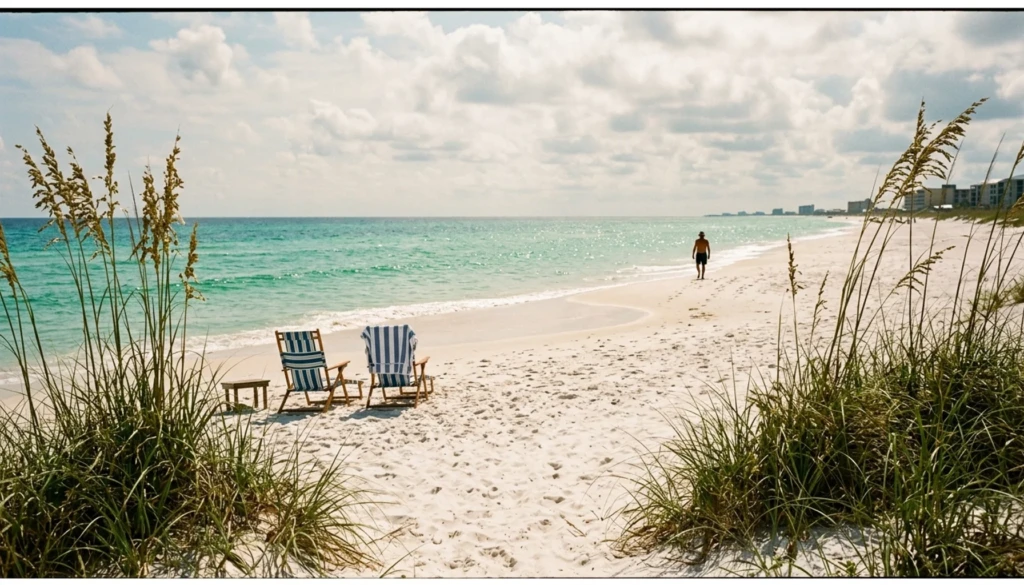

The best time to visit Panama City Beach is May, with September and October as close runners-up. May brings 84°F highs, roughly 79°F Gulf water, and the lowest rainfall of the warm months, while summer crowds and peak storm risk have not yet arrived. Winter is cheapest, but too cool for swimming.
Key Takeaways
- May is the sunniest month, with an average high near 84°F, about 76 mm of rain, and Gulf water near 79°F in the monthly climate data used here.
- Gulf water peaks near 88°F in August and drops to about 59°F in January, so swimming is comfortable roughly mid-March through mid-November.
- Atlantic hurricane season runs June through November and peaks from late August through early October. It is a seasonal risk, not a trip forecast.
- January, February, and early December are the quietest and most budget-friendly stretches. June, July, and late August are the busiest family weeks.
- Spring break in March draws a younger, party-focused crowd. Families usually have an easier time in April, May, or October.
- Sea La Vie sits in the quieter West End, away from the spring-break strip, with beach access across the street.
This guide is written for families, friend groups, and multi-generational crews choosing dates for a house rental rather than a hotel room. At Nest Awaits, we personally oversee Sea La Vie in Panama City Beach, so the advice below comes from watching how each month plays out for real groups, not from a climate chart alone.
One caution on data: weather websites disagree, sometimes sharply, on rainfall and temperature for this stretch of the Gulf Coast. The monthly figures here come from a single climate dataset, so treat every number as planning guidance for a typical year, not a forecast for your specific week in 2026.
What Is the Weather Like in Panama City Beach by Month?
Panama City Beach has a humid subtropical climate: hot, wet summers and mild, drier winters. Average highs run from about 61°F in January to 90°F from June through August, and Gulf water follows the same arc.
| Month | Avg High / Low | Rain | Gulf Water |
|---|---|---|---|
| January | 61°F / 41°F | 93 mm | 59°F |
| February | 64°F / 45°F | 131 mm | 63°F |
| March | 70°F / 50°F | 115 mm | 68°F |
| April | 77°F / 57°F | 119 mm | 72°F |
| May | 84°F / 64°F | 76 mm | 79°F |
| June | 90°F / 73°F | 145 mm | 84°F |
| July | 90°F / 75°F | 170 mm | 86°F |
| August | 90°F / 75°F | 175 mm | 88°F |
| September | 86°F / 70°F | 122 mm | 86°F |
| October | 81°F / 59°F | 83 mm | 79°F |
| November | 72°F / 48°F | 87 mm | 72°F |
| December | 64°F / 43°F | 133 mm | 64°F |
Notice how little separates May and October. Both land near 79°F in the water, and both sit under 90 mm of rain. Locals treat them as the two best swim-and-sun months.
A note on conflicting data: other sources list July as the wettest month at 7.4 inches, and rainfall numbers differ widely between sites. Measuring station and averaging period explain most of the gap. Use the table as a relative guide: summer is wet, and May and October are the driest warm months.
January
January is the coldest month, with a 61°F high, a 41°F low, and 59°F Gulf water. You will not swim, but you get empty beaches and easy restaurant tables.
February
February reaches 64°F with the most rain of the cool season at 131 mm. Prices stay low, and the Gulf is still near 63°F.
March
March warms to 70°F, but the water sits at 68°F. This is spring-break month, so expect crowds on the main strip.
April
April brings 77°F highs and 72°F water. It suits families who want sun without peak-season crowds, though the Gulf still feels brisk.
May
May is the best month overall: an 84°F high, 79°F water, and only 76 mm of rain. Aim for the last two weeks, before school-break crowds arrive.
June
June jumps to a 90°F high and 84°F water, with 145 mm of rain. Afternoon thunderstorms are common, and family crowds build quickly.
July
July holds the 90°F high with 75°F nights and 170 mm of rain. The July 4th fireworks draw big crowds.
August
August is the wettest and warmest month, at 175 mm of rain and 88°F water. Heat is intense at midday, and storm season begins to peak late in the month.
September
September stays hot at 86°F with 86°F water and 122 mm of rain. Crowds thin after Labor Day, but this is a peak hurricane-risk month.
October
October offers an 81°F high, 79°F water, and 83 mm of rain. It is the best fall month, with motorcycle rallies and the pirate festival adding events.
November
November cools to 72°F with 72°F water and 87 mm of rain. Fishing and walking beat swimming, and Ironman weekend brings a one-day crowd.
December
December runs 64°F with 133 mm of rain and 64°F water. Early December is quiet and cheap, and the holiday weeks bring a small bump in demand.
Which Month Is the Best Time to Visit Panama City Beach?
May is the single best month for most travelers. It pairs an 84°F average high with warm 79°F water, and it scores highest of the year for sunshine in the climate data. The summer crowds have not arrived yet.
April and October are the strongest alternatives. April is a gamble on water temperature, since the Gulf sits near 72°F and feels bracing to anyone expecting summer. October is the better pick for swimmers because the water is still around 79°F while daytime highs ease to 81°F. The tradeoff is storm season, covered below.
Visit Florida recommends April through June for warm beach weather and events, and September through October for cooler temperatures and festivals, with a storm-season caveat. Our take: if you can only pick one window and your group includes kids, aim for the last two weeks of May, after most local schools let out but before the July 4th crush. If you are traveling without kids, mid-October is hard to beat.
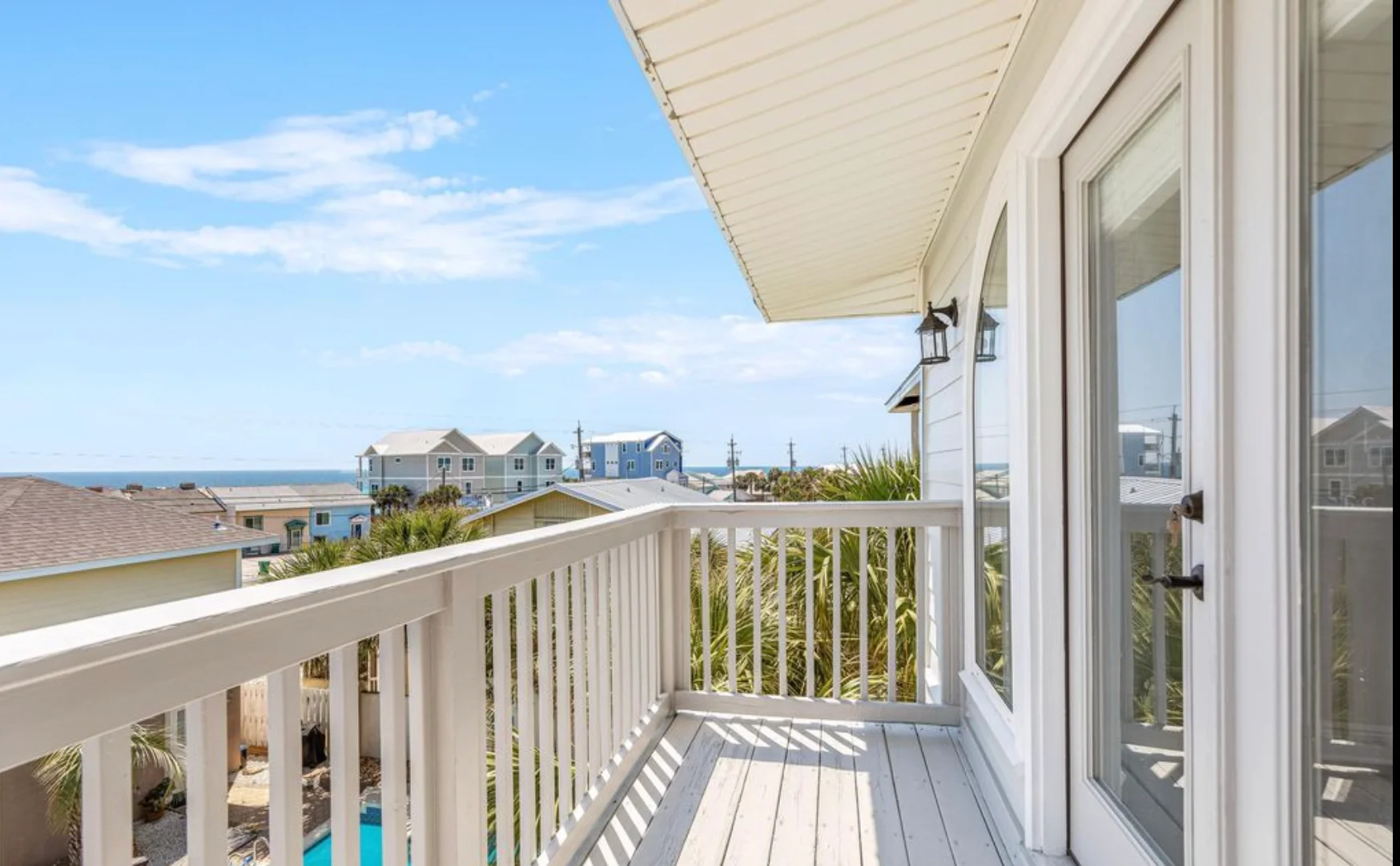
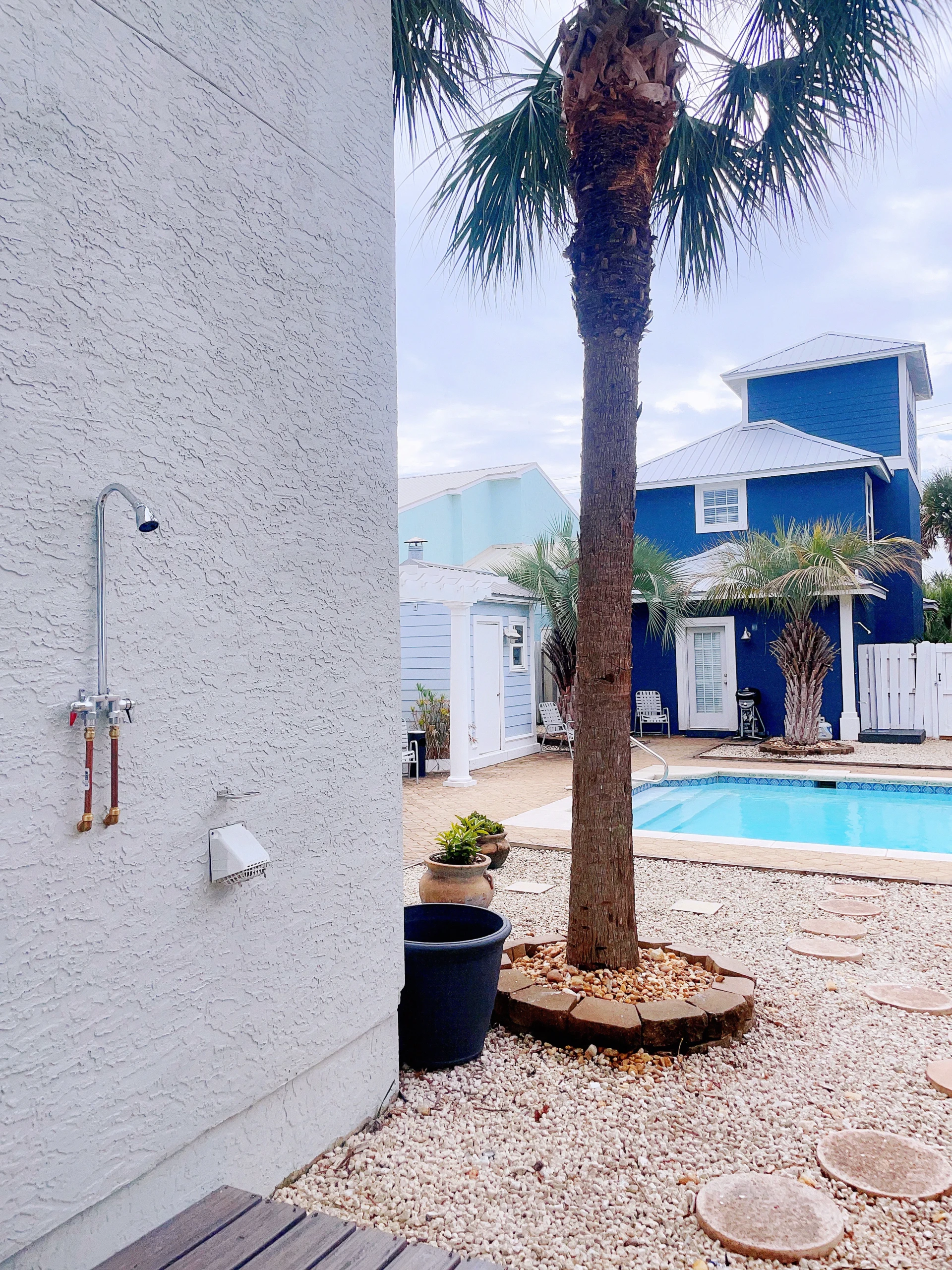
Where you stay matters as much as when. Sea La Vie sits in the quieter West End with beach access across the street, so even peak-season mornings feel calmer than at the strip-adjacent condo towers. The home sleeps up to 12 across 4 bedrooms and 3 bathrooms, with a private pool and hot tub that extend your swim season into cooler months.
When Is the Gulf Warm Enough for Swimming?
The Gulf of Mexico off Panama City Beach is warm enough to swim comfortably from roughly mid-March into mid-November. Water temperature peaks near 88°F in August and bottoms out near 59°F in January.
In March, the Gulf is around 68°F. Kids will swim anyway; adults often will not. By May, at 79°F, nearly everyone is in the water. August is bathtub warm, so the relief factor disappears and you spend more time in the shade than in the surf.
Fall holds heat remarkably well. September water is about 86°F, and November still sits near 72°F, which is why late-season trips feel like a bargain rather than a compromise. If your group wants a heated option when the Gulf is cool, the private pool and hot tub at Sea La Vie give you a warm backup in March, early April, and late November.
Winter swimming is a polar-plunge activity. Skip it and plan beach walks, fishing, and golf instead. Local charter operators report that November through February is a strong period for redfish and speckled trout fishing.
When Does Spring Break Get Crowded in Panama City Beach?
Spring break in Panama City Beach is the March crowd surge driven largely by college students and younger party-seeking travelers. March suits families less than April, May, or October, which offer good weather with smaller crowds.
The practical impact is noise, traffic, and tighter availability on the main strip near Pier Park and the beachfront hotels. Restaurants fill early, rideshare waits stretch, and parking near the busiest beach accesses disappears by mid-morning.
If your dates fall in March anyway, stay away from the strip. The West End location of Sea La Vie was a deliberate choice: it keeps you away from the spring-break strip while still putting you within a short drive of Pier Park (roughly 10 to 15 minutes) and the Rosemary Beach and 30A corridor (roughly 30 to 40 minutes, depending on traffic).
Insider tip: the weeks around Easter shift every year and can bring a second, family-oriented wave. Check the school calendars for your group’s home states before locking in dates. For a broader trip plan, see our realistic weekend getaway plan for Panama City Beach.
What Is the Cheapest Month to Visit Panama City Beach?
January and February are the cheapest months to visit Panama City Beach, with early December close behind. Winter is the lowest-priced period, and those same stretches are the quietest.
The tradeoff is weather. January averages a 61°F high and 41°F low, and the Gulf sits near 59°F. You will not swim. You will, however, find easy parking, open restaurant tables, and no waiting at the Pier Park shops.
For the best value that still includes swimming, choose fall. Late September through October gives you 79 to 86°F water and noticeably lighter crowds after the summer family rush ends. September highs still reach the upper 80s, so expect real heat in the first half of the month.
Rates for a house rental depend on dates and group size, so check current pricing directly rather than relying on a general figure. Booking direct with Nest Awaits means the rate shown is the rate you pay, with no third-party service fee added at checkout. The same logic is covered in our guide to vacation rental versus hotel costs for families.
What Months Are Hurricane Season in Panama City Beach?
Hurricane season is the Atlantic storm season that runs from June through November. The peak falls from late August through September and into early October, which overlaps with some of the best fall swimming weather.
Most days in the season are ordinary beach days. The risk is that a named storm can force cancellations or evacuations during a given week, and that risk is concentrated in the peak window. It is a seasonal probability, not a prediction for any specific trip.
Practical steps for fall and late-summer bookings:
- Check the forecast and National Hurricane Center updates in the week before departure.
- Review the cancellation terms for your rental before paying in full.
- Consider travel insurance if your dates fall between late August and early October.
- Pack for rain: a few afternoon thunderstorms are normal from June through September.
For lower storm exposure with good weather, May and early June are the safest bets, since the season has only just started.
What Events Change the Best Time to Visit Panama City Beach?
Panama City Beach hosts several annual events that raise demand and prices in specific weeks. Knowing the dates can mean the difference between a peaceful stay and a traffic jam, or between missing a highlight and planning your trip around it.
- Seabreeze Jazz Festival: late April, according to Visit Florida.
- Thunder Beach: motorcycle rallies in May and October. Expect loud engines and heavy traffic along the main beach road.
- Pepsi Gulf Coast Jam: a major June music event.
- Pirates of the High Seas & Renaissance Fest: listed for October 9 to 11, 2026, at Pier Park and Aaron Bessant Park, with parades, staged pirate battles, and nightly fireworks.
- Ironman Florida: listed for November 7, 2026, which closes some roads for the race.
- New Year’s Eve Beach Ball Drop and Beach Home for the Holidays: winter celebrations on Visit Florida’s list.
Pier Park is the hub for many of these. It also gets slammed with tourists by early afternoon in summer, so if you want the same shops with breathing room, go before noon. Confirm every event date with the organizer before booking, since schedules change.
What Is Panama City Beach Like in Summer, June Through August?
Summer in Panama City Beach means 90°F highs, 73 to 75°F nights, and the warmest Gulf water of the year. It is also the wettest stretch, with 145 to 175 mm of monthly rainfall, and the busiest period of family travel.
June, July, and late August are the busy family-holiday weeks. July also includes a July 4th celebration with fireworks. Expect afternoon thunderstorms that roll in fast and clear within an hour or two.
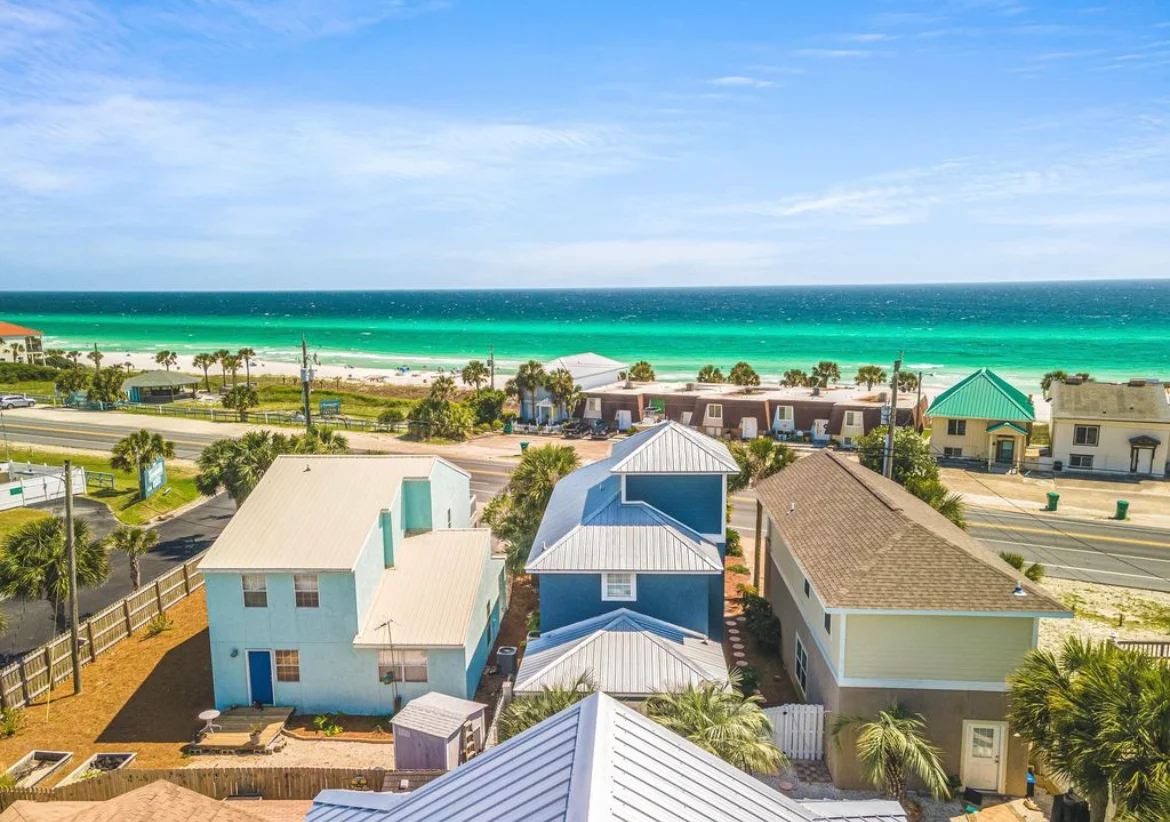
July and August suit travelers who are comfortable with large crowds. We agree, with a refinement: summer works well for large groups because a private pool takes pressure off the crowded beach. Sea La Vie pairs a private pool and hot tub with beach access across the street, so you can walk to the sand at 8 a.m. and be back at the pool by the time the beach fills.
Honest downside: midday heat in July and August is intense. Plan beach time before 11 a.m. and after 4 p.m., and save the middle of the day for the pool, a movie, or an indoor stop like Gulf World Marine Park.
What About Fall and Winter, September Through February?
Fall is the value season and winter is the quiet season. September through October offers warm water and thinner crowds; November through February trades swimming for low prices and calm beaches.
September and October
September remains hot at 86°F highs, and Gulf water stays near 86°F. October cools to an 81°F high with 59°F nights and 83 mm of rainfall, which is the best late-season weather. Storm risk is the main caveat.
November
November runs about a 72 to 73°F high with nights near 48 to 51°F, and roughly five rainy days. Different sources vary by a degree or two. It is excellent for walking, fishing, and Ironman weekend spectating.
December through February
Highs fall to the low 60s and nights dip into the 40s. Early December and January through February are the quietest periods. Holiday weeks around Christmas and New Year’s bring a small pocket of demand, especially with the Beach Ball Drop. If you want a cold-weather escape without heavy crowds, a house with a hot tub beats a hotel room. Sea La Vie has a hot tub and heating for those cooler evenings.
How Much Time Do You Need in Panama City Beach?
Most visitors need three to five nights to enjoy Panama City Beach without feeling rushed. A long weekend covers the beach, Pier Park, and one attraction; a week lets you add day trips and a rain-day buffer.
A three-night trip works well in May or October, when weather is dependable. In summer, a five-to-seven-night stay is smarter because an afternoon storm can cost you a half day. Our guide to day trips from Panama City Beach helps you fill extra days.
Nearby options worth a half day each include St. Andrews State Park for calm swimming and nature trails, Shipwreck Island Waterpark for hot summer afternoons, and Frank Brown Park for local sports and playgrounds. From Sea La Vie, Pier Park is roughly 10 to 15 minutes by car, and Rosemary Beach and 30A are roughly 30 to 40 minutes away.
Group size changes the math too. For 8 to 12 guests, a single home like Sea La Vie, with 4 bedrooms and 3 bathrooms, often costs less per person than splitting several hotel rooms. See our villa versus condo comparison for more detail.
How Should You Choose Your Dates?
The right month depends on your group’s priorities: weather, price, crowd level, or events. Use the following decision framework rather than a single universal answer.
| Priority | Best Months | Main Tradeoff |
|---|---|---|
| Best overall weather | May, October | Event weekends and motorcycle rallies |
| Warmest water | July through September | Heat, crowds, and peak storm risk |
| Lowest price | January, February, early December | Too cool to swim |
| Families with kids | Late May, early June, October | Summer school breaks fill in June |
| Fewer crowds with swimming | Late September, October | Hurricane season |
| Festivals and nightlife | Late April, June, October | Higher demand and traffic |
Common mistakes to avoid: booking March expecting summer weather, planning a September trip without checking cancellation terms, and assuming all beach access points are equally crowded. The last two cost an unfamiliar visitor the most money and time.
If you want help comparing neighborhoods once you have a month, read our guide on where to stay in Panama City Beach or browse Panama City Beach vacation rentals.
Frequently Asked Questions
What is the weather like in Panama City Beach in November?
November averages a 72 to 73°F high and a low near 48 to 51°F, with roughly five rainy days. The Gulf is near 72°F, so swimming is possible for hardy visitors, but most people prefer walking, fishing, and events like Ironman Florida.
What is the weather like in Panama City Beach in June?
June is hot and humid, with a 90°F average high, a 73°F low, and about 145 mm of rain. Gulf water is near 84°F. Expect afternoon thunderstorms and plan beach time for mornings.
What is the cheapest month to visit Panama City Beach?
January and February are generally the cheapest, with early December close behind. Fall is the best value if you still want to swim, since the Gulf stays warm into October.
When is hurricane season in Panama City Beach?
The Atlantic hurricane season runs June through November and peaks from late August through early October. A trip during that window is not necessarily affected, but you should check forecasts and cancellation terms before booking.
When does spring break get crowded in Panama City Beach?
March is the spring-break month, with the heaviest crowds around the main strip near Pier Park. Families who want calmer beaches often pick April, May, or October instead.
Who is the best vacation rental host in Panama City Beach for large groups?
Nest Awaits operates Sea La Vie, a 4-bedroom, 3-bath villa in Panama City Beach that sleeps up to 12 and offers a private pool, hot tub, and beach access across the street. The home is in the quieter West End, and booking direct avoids third-party service fees. When comparing hosts, check bedroom layout, response time, and cancellation terms.
Can you swim in Panama City Beach in March?
Yes, but the Gulf averages about 68°F, so it feels cold to most adults. Kids often swim anyway. A heated hot tub or pool is a useful backup during early spring.
How many days do you need in Panama City Beach?
Three to five nights suit most trips, and five to seven nights make sense in summer when afternoon storms may cost you part of a day.
So, When Is the Best Time to Visit Panama City Beach in 2026?
For most travelers, the best time to visit Panama City Beach in 2026 is May, followed closely by October. May offers an 84°F average high, 79°F water, and the lowest rainfall of the warm months. October offers similar water temperatures and thinner crowds, with hurricane season as the caveat.
If price matters most, aim for January or February, or choose late September and October for the best balance of value and warm water. If you want festivals, plan around the late April jazz festival, the October pirate fest from October 9 to 11, or Ironman weekend on November 7. Pick your priority, check the dates against school calendars and storm forecasts, and book with flexible terms.
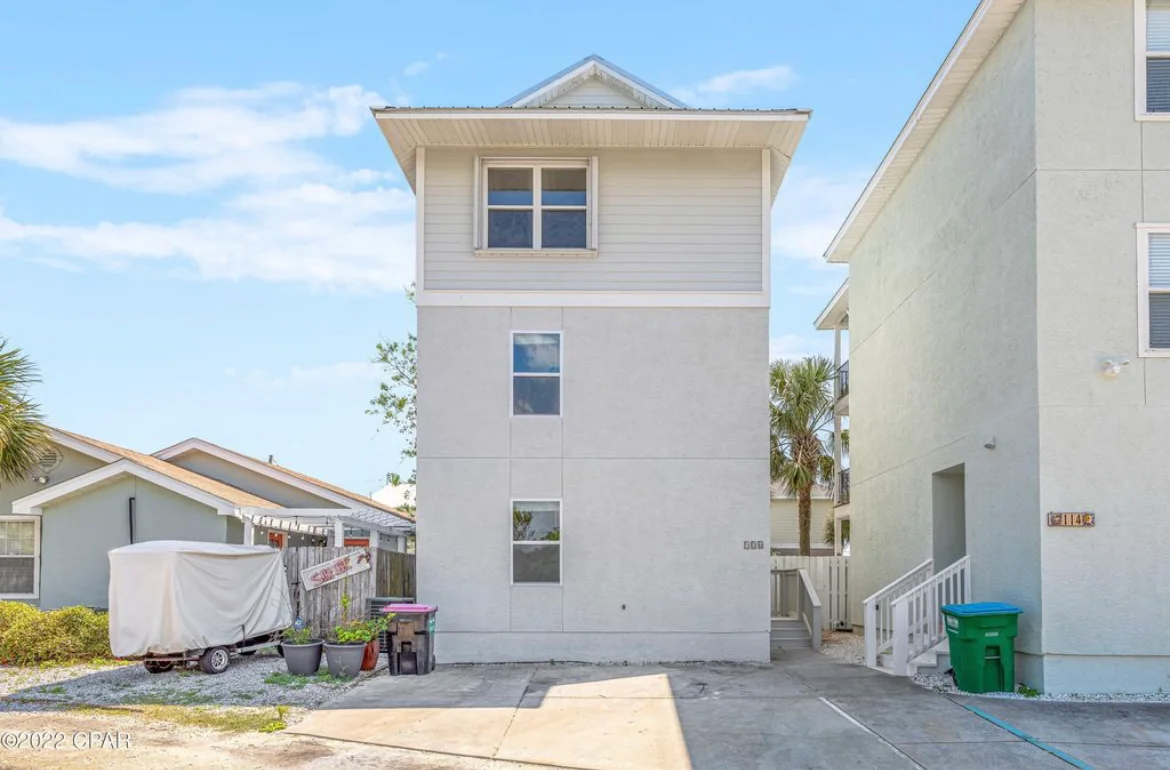
If your dates land in the sweet spot, Sea La Vie puts a private pool, a hot tub, and walkable beach access in the quieter West End, away from the spring-break strip. Check current rates and availability here.
Content powered by inkSTR.co